What Does Bioregenerative Actually Mean? | 019
Bioregenerative treatments are explored as a growing category of aesthetic procedures designed to stimulate the body’s natural repair and renewal processes. While the term has become increasingly popular in marketing and social media, the underlying concept is not new. From microneedling and lasers to regenerative injectables, these treatments work by supporting collagen production, skin renewal, and tissue repair.
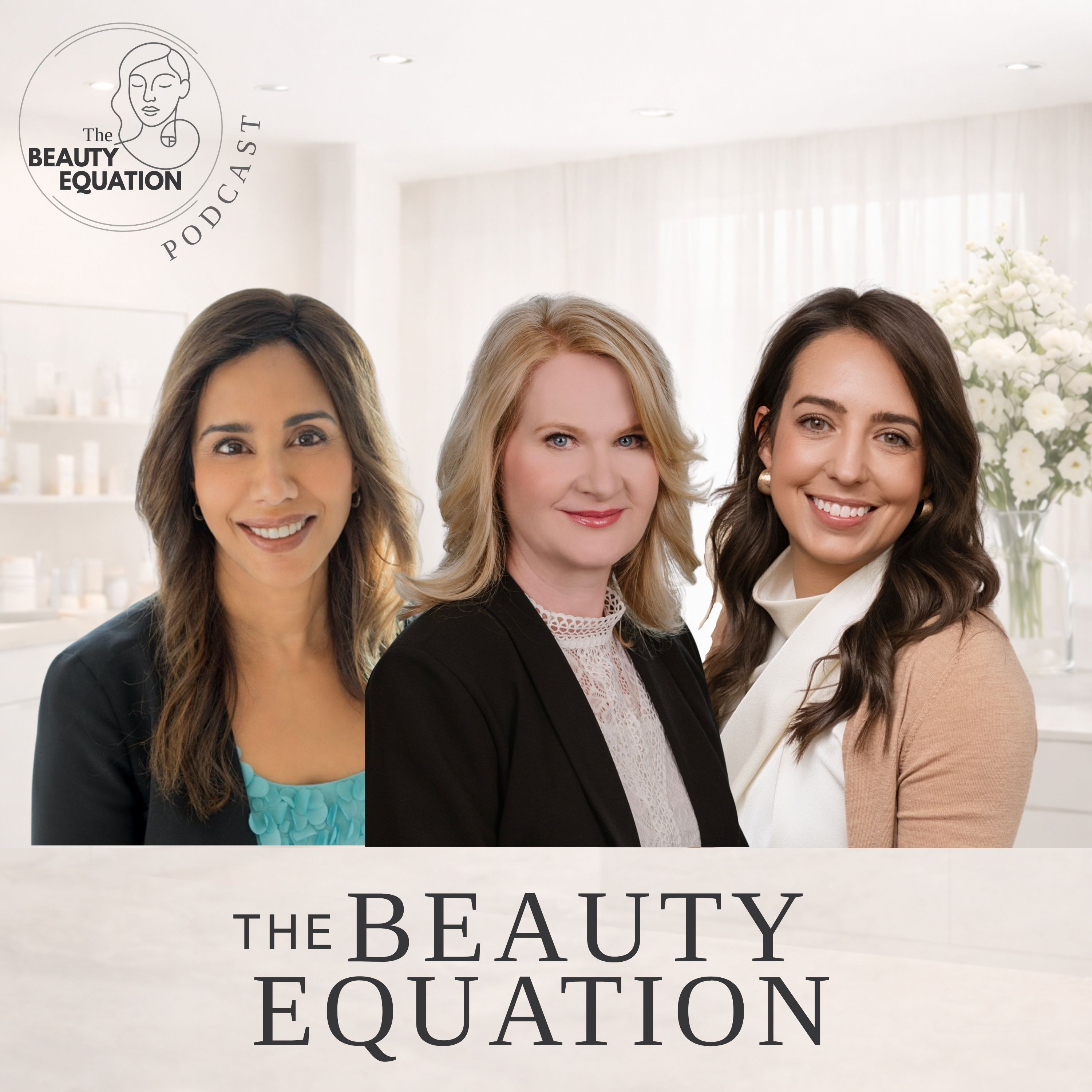
Dr. Christelle Oliver-Dussault, Dr. Harpreet Lotay, and Amanda Manholt break down what bioregeneration actually means, how it differs from traditional aesthetic treatments, and why individualized treatment plans matter. The discussion explores the role of collagen loss, skin aging, genetics, and lifestyle factors, while helping listeners understand where regenerative treatments fit into a long-term approach to skin health and aging.
Key Takeaways
- Bioregenerative treatments stimulate the body’s natural repair and renewal processes.
- Aging affects collagen production, skin thickness, and cellular turnover, all of which can be targeted through regenerative approaches.
- Treatments such as microneedling, lasers, retinol, and regenerative injectables work through different pathways to support skin health.
- The term "bioregenerative" is broad and should be understood within the context of a patient’s specific concerns and goals.
- Treatment plans should be tailored to age, genetics, lifestyle factors, and individual aging patterns.
Disclaimer: The Beauty Equation is for informational purposes only and not medical advice. This podcast does not create a doctor–patient relationship. Always consult a qualified healthcare provider before making medical or aesthetic decisions. Information may change as the field evolves.
Thanks for listening!
Thanks so much for listening to our podcast! If you enjoyed this episode and think that others could benefit from listening, please share it using the social media buttons on this page.
Do you have some feedback or questions about this episode? Leave a comment in the section below!
Subscribe to the podcast
If you would like to get automatic updates of new podcast episodes, you can subscribe to the podcast on Apple Podcasts or on your favourite podcast app.
Leave us an Apple Podcasts review
Ratings and reviews from our listeners are extremely valuable to us and greatly appreciated. They help our podcast rank higher on Apple Podcasts, which exposes our show to more awesome listeners like you. If you have a minute, please leave an honest review.
About the Hosts:
Dr. Harpreet Lotay is a family physician specializing in aesthetic medicine. She is the founder of Sona MD in Kamloops, BC, and serves as Chief Medical Officer at Bios Wellness Clinics. Known for her artistic approach and comprehensive non-surgical treatments, Dr. Lotay combines medical expertise with an eye for natural results. She is also an educator, a national trainer and holds academic appointments where she shares her knowledge in clinical dermatology and aesthetics. You can get in touch with her on Instagram @hlotaymd
Dr. Christelle Oliver-Dussault is a family physician specializing in aesthetic medicine, women’s health, and psycho-education. She brings a holistic, whole-person perspective to her clinical work, blending science with a deep understanding of the mind-body connection.
She is also the founder of Reclaim The Pink Within, a movement that empowers women to rediscover themselves during life’s most transformative stages. In addition, she is passionate about medical education and mentors the next generation of family physicians through her work with the department of Family Medicine at the University of British Columbia.
You can connect with her on Instagram @drchristellemd
Amanda Manholt is a clinic manager, patient consultant, and co-host of The Beauty Equation Podcast. With over 30 years of experience in beauty, aesthetics, and leadership, she has guided patients and teams alike toward confidence, growth, and empowerment. Known for her ability to connect with people and simplify the often-overwhelming world of aesthetics, Amanda brings a warm, practical, and relatable perspective to every conversation. You can find her on Instagram @crowsfeetandconfidence.
Websites
Transcript
Bioregenerates. What does that exactly mean? And I
Speaker:would say that it means that we're doing something to
Speaker:make your body regenerate itself or
Speaker:turn on a physiological pathway that's already
Speaker:there that perhaps has slowed down with aging or perhaps
Speaker:isn't as efficient. So we're stimulating the skin, and
Speaker:we stimulate the skin all the time in nature. You know,
Speaker:if we cut ourselves, we bioregenerate and fix the cut.
Speaker:If we scratch ourselves or exfoliate our skin,
Speaker:the skin repairs itself. Or bioregenerates.
Speaker:If we poke ourselves with a needle, our skin will fix that
Speaker:hole. That is bioregeneration. And so
Speaker:this term can include a whole gamut of things that we
Speaker:already do. Welcome back to the beauty equation. I'm Dr.
Speaker:Christelle Oliver-Dussault And I'm Dr. Harpreet Lotay.
Speaker:And I'm Amanda Manholt. And Amanda and I are joining you from our
Speaker:clinic today. And Dr. Lotay is joining in virtually.
Speaker:We wanted to talk about a word that has been used
Speaker:a lot and a little bit too loosely, in my opinion.
Speaker:The word bioregenerative. I'm sure many of you have
Speaker:heard that many different treatments claim to be
Speaker:bioregenerative, but we want to delve into what it actually means
Speaker:and whether those treatments that are being offered are actually what
Speaker:they claim to be. Yes. So maybe I'll let you start off.
Speaker:Sure. I feel like it's another marketing term. I think
Speaker:over the last couple of years, people have been
Speaker:shying away from filler because, you know, perhaps they've seen
Speaker:traditional filler overdone or that type of thing. And
Speaker:so as we've looked for other ways to
Speaker:frame things, bioregenerative became a very, very,
Speaker:very hot topic, let's just say. And also, there are newer
Speaker:products on the market or newer ways to use old products that
Speaker:do bioregenerate. So, you know, let's get
Speaker:into it. What does that exactly mean? And I would say that it
Speaker:means that we're doing something to make
Speaker:your body regenerate itself or
Speaker:turn on a physiological pathway that's already
Speaker:there that perhaps has slowed down with aging or perhaps
Speaker:isn't as efficient. So we're stimulating the
Speaker:skin, and we stimulate the skin all the time
Speaker:in nature. You know, if we cut ourselves, we bioregenerate and
Speaker:fix the cut. If we scratch ourselves or
Speaker:exfoliate our skin, the skin repairs
Speaker:itself or bioregenerates. If we poke ourselves
Speaker:with a needle, our skin will fix that hole.
Speaker:That is bioregeneration. And so this
Speaker:term can include a whole gamut of things that we already do,
Speaker:including lasers, including other treatments that we can talk
Speaker:about in future episodes too, like Radiesse and
Speaker:Sculptra. So that's how I think about it.
Speaker:Yeah, I think a bit about it as we are
Speaker:also trying to reverse the clock on a
Speaker:cellular level. So with the tools that we
Speaker:have, we are
Speaker:tweaking the way our bodies works. And if we think about
Speaker:it at the level of the skin and
Speaker:the layers beneath the skin where we have the cells like
Speaker:fibroblasts that make collagen. You mentioned that, you
Speaker:know, things don't get produced as efficiently. We're trying to get those
Speaker:fibroblasts to produce collagen and elastin and all the
Speaker:wonderful things that they make in a more efficient manner and to
Speaker:provide a better quality of that, to reverse the clock,
Speaker:because those components are continually being degraded in your
Speaker:skin. Yeah. And I think. How do you talk about it? I think it's
Speaker:so typically the people I see are, you know, they're not 20,
Speaker:so, you know, they're aging. And
Speaker:I, I explained that, you know, these processes that are natural within the
Speaker:skin, they just get a little lazy and a little worn out. And we're trying
Speaker:to do what we can to just give that, that process a helping hand,
Speaker:essentially sort of speed up the rate at which we, we
Speaker:generate, regenerate new cells. Right. You know, we talk, think about
Speaker:how the cellular turnover for skin cell. You know, we say,
Speaker:oh, when we're young and healthy, it's like every four weeks, but as we age,
Speaker:it can be much longer than that. So
Speaker:I don't know. That's kind of the way I always explain it. Yeah. And I
Speaker:think it goes hand in hand with this interest in
Speaker:longevity. Right. Yes. Bringing back, turning back the
Speaker:clock, being more youthful and not just looking
Speaker:more youthful. But can we do something where our
Speaker:physiology behaves more like it did when we were younger?
Speaker:So, you know, all these things that
Speaker:people are interested in, cold plunging,
Speaker:certain supplements and so on. So it's very topical. When we
Speaker:talk about bioregenerative treatments, it, it, it does,
Speaker:as you both said, make your skin behave in a way that it did when
Speaker:it was younger. Yeah. Why
Speaker:do you think people are using the word
Speaker:bioregenerative in conjunction with natural?
Speaker:That's a great question. I think when you just say
Speaker:those two things together, they seem to fit. You've got bio, which
Speaker:is biology, regeneration, which
Speaker:doesn't really indicate that you're putting something
Speaker:in. And that feels More
Speaker:natural, none or all of those things
Speaker:may be true. Right. This is
Speaker:what I find really fascinating. Oh my God. It's discussed the
Speaker:world. The word natural is. I'm sorry, it's like nails on a
Speaker:chalkboard to me because my field. Oh man, it's the
Speaker:marketing over the years has just, you know, with natural, whatever,
Speaker:I'm like, well, how much? And you know, what else
Speaker:is in it? And if you really want natural, like wouldn't I just go
Speaker:rub a coconut on my face? And I, you know.
Speaker:Yeah. And I think marketing drives me nuts. I think that's it. And so I
Speaker:think, especially when it comes to this bioregenerative thing where
Speaker:everybody's, you know, it's like the corporate buzzwords, you know,
Speaker:so we're talking about low hanging fruit and you're. Yeah.
Speaker:So let, let's take the marketing out of it. Let's,
Speaker:let's, let's take the marketing out of it and ask ourselves,
Speaker:you know, does bio, do bioregenerative
Speaker:treatments actually hold value above and beyond fillers? Right.
Speaker:And when I think things, I go
Speaker:back to first principles and think about, well, how do we age?
Speaker:How do we actually age? Well, when it comes to facial aging, let's
Speaker:keep it simple. And skin aging, right? We lose
Speaker:volume in our skeleton, we lose volume in our fat
Speaker:cells, and then our skin starts to become thinner,
Speaker:its cellular turnover slows down. We don't make as much
Speaker:collagen. So those are some of the basic
Speaker:physiological things. And with fillers, we can, traditional fillers,
Speaker:highly rot hyaluronic acid base fillers, we can target the volume.
Speaker:But then with our bioregenerative and you know, I, we haven't
Speaker:yet figured out how to, to reverse skeletal bone
Speaker:loss. Let's put that aside. But then when
Speaker:we turn our attention to the skin aging itself,
Speaker:can we actually target those things? Can we
Speaker:target collagen production? And the answer is yes, we can.
Speaker:Right? So there are bioregenerative treatments that target, that.
Speaker:Can we target the thinning of the skin? Yes, we can.
Speaker:Even with things like retinol. That's bioregenerative. It's
Speaker:making your skin be thicker. It's making your skin turn
Speaker:over better. Can we improve pigment production to
Speaker:normalize it? Yes, we can use lasers for
Speaker:photobiomodulation. We have lasers that will change the way your
Speaker:genetic expression is within the skin. So yes, it
Speaker:actually, I do believe that it has value, but only when
Speaker:you use it with intention. And, you know, tool
Speaker:is doing what and what targeting in terms of
Speaker:that the actual aging. Right. So
Speaker:fillers are never going to be the be all, end all. Lasers are never going
Speaker:to be the be all, end all. Our bioregenerative treatments
Speaker:alone will not be the be all, end all for every
Speaker:patient, but they all have a place. And
Speaker:teasing that out is our job as experts and, you know, providing
Speaker:a plan for people. Yeah, because I think that's where it can get confusing
Speaker:for the general public, where they're getting
Speaker:so much information on social media, be it Instagram, TikTok,
Speaker:Facebook, and they come in with an understanding of her
Speaker:bioringe. I'm interested in that treatment,
Speaker:but really with the conversation, you need to break it down for them and explain.
Speaker:Well, this might be a good option for your specific concern, which comes back to
Speaker:what we've said at almost every single episode so far, tailoring it.
Speaker:But I think it's helpful to understand that bioregenerative regeneration can mean
Speaker:so many different things and can have so many different applications. Yes.
Speaker:Yeah, yeah. Even when you talk about, you know, let's talk
Speaker:about regular microneedling versus radio frequency
Speaker:microneedling. Right. You know, there's. They're both
Speaker:bioregenerative. You could, I guess, argue that
Speaker:radio frequency microneedling is more effective in that
Speaker:it uses an alternate pathway to biogener
Speaker:regeneration. Like, am I explaining that correctly in terms of one is
Speaker:mechanical and the other one is, you know, heat shock proteins.
Speaker:Mechanical and heat shock proteins. Right. You're getting a twofer.
Speaker:And then if you add something else on top of it,
Speaker:like calcium hydroxyapatite, you're getting
Speaker:a 3 Fer. And you actually get multiplicative effects.
Speaker:So you can actually get more bioregeneration than if you did each one
Speaker:of those separately, if that makes sense.
Speaker:And I guess the question is, is when is the right age to start
Speaker:bioregenerative treatments? Do you start
Speaker:early and be, you know, preventative? I
Speaker:guess I don't even know if that's the right word in that case. Or do
Speaker:you wait,
Speaker:I would say a layered approach. Right. So like, if you
Speaker:are in your 20s and you're listening to this and you're wondering, what should you
Speaker:be doing at that stage? Usually at that stage, probably just wearing
Speaker:sunscreen and some microneedling might not be a bad idea to dress skin quality.
Speaker:You may even consider using a little bit of retinol. And then as you get
Speaker:into your 30s, you might get a little bit more aggressive with the treatment if
Speaker:you start noticing different changes. Because from our
Speaker:mid-30s, some people can start to have A little bit of volume loss. So you
Speaker:could look at the bioregenerative injectables or also
Speaker:some of the devices that we have. And it can help to
Speaker:look at where you're going. So look at your
Speaker:older siblings, at your parents, at your aunts, your uncles,
Speaker:grandparents, what trajectory do they follow? And that can
Speaker:give you the sense of where you're going. Or have that conversation with your
Speaker:provider, show them photos, and then you can have a discussion of what your Achilles
Speaker:heel would be and how you might want to preempt that. Yeah, that's,
Speaker:that's great advice. And I agree. And thinking
Speaker:about when the changes actually happen. So as you said,
Speaker:in our 20s, we start losing collagen, but it's not happening
Speaker:at a very rapid rate as it was in our,
Speaker:in our, in our menopausal or perimenopausal years. So, you know, in your
Speaker:20s, doing something like traditional microneedling
Speaker:is not, it's not a huge investment
Speaker:in time and money. It also doesn't have a lot of downsides
Speaker:to it or, and
Speaker:that's going to be good enough, along with protecting the collagen that
Speaker:you already have. But then as you head into a steeper decline,
Speaker:you are going to need to amp up the procedures that
Speaker:you choose. So radio frequency microneedling, plus
Speaker:or minus other injectables. And as you said, everyone's trajectory is
Speaker:different based on their genetics. Yeah.
Speaker:So we can just blame our mom and dads for more.
Speaker:Listen, I know my kids are going to blame me for all sorts of stuff,
Speaker:so we can just inevitably wear and plan accordingly, Right?
Speaker:Yeah. So I guess really, when you hear the word
Speaker:bioregenerative, know that it's much. It's a very
Speaker:broad, encompassing term. Sometimes marketing is
Speaker:throwing it in there to make it seem like it's new or exciting,
Speaker:but really, you know, it's been around as long as we have. As long as
Speaker:you've been able to skin your knee and, and heal it.
Speaker:Exactly. Now, that being said, there are two injectables that have
Speaker:really gained popularity and we're going to be talking about
Speaker:them in the next couple of episodes. One of them
Speaker:is Radiesse or calcium hydroxyapatite, and there is a
Speaker:newer calcium hydroxyapatite
Speaker:injectable coming on the market and is on the market
Speaker:now in North America called Harmonica and
Speaker:Sculptra is the other one that a lot of people have come in actually
Speaker:naming and asking for. That has actually been around
Speaker:for a very long time, but has gained popularity
Speaker:lately. And we'll be talking about those
Speaker:injectables in our next couple episodes. So join
Speaker:us for those. And if you have any more questions about
Speaker:bioregeneration or anything, aesthetics, please do
Speaker:email us@infohebeautyequation.com
Speaker:until next time. See you next time. Bye for now. Bye.